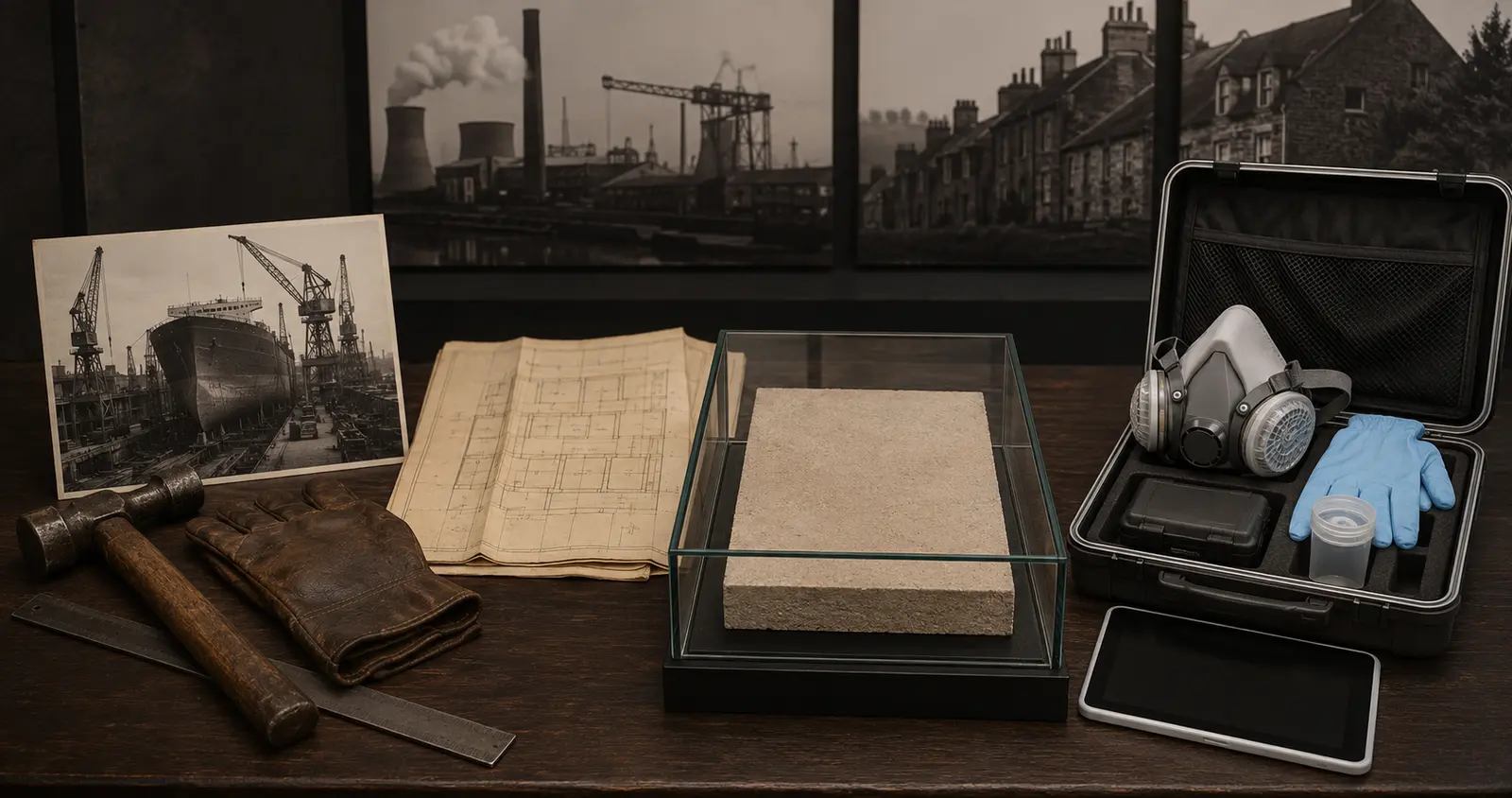
Legacy asbestos: Asbestos products that remain from earlier building and industrial use.
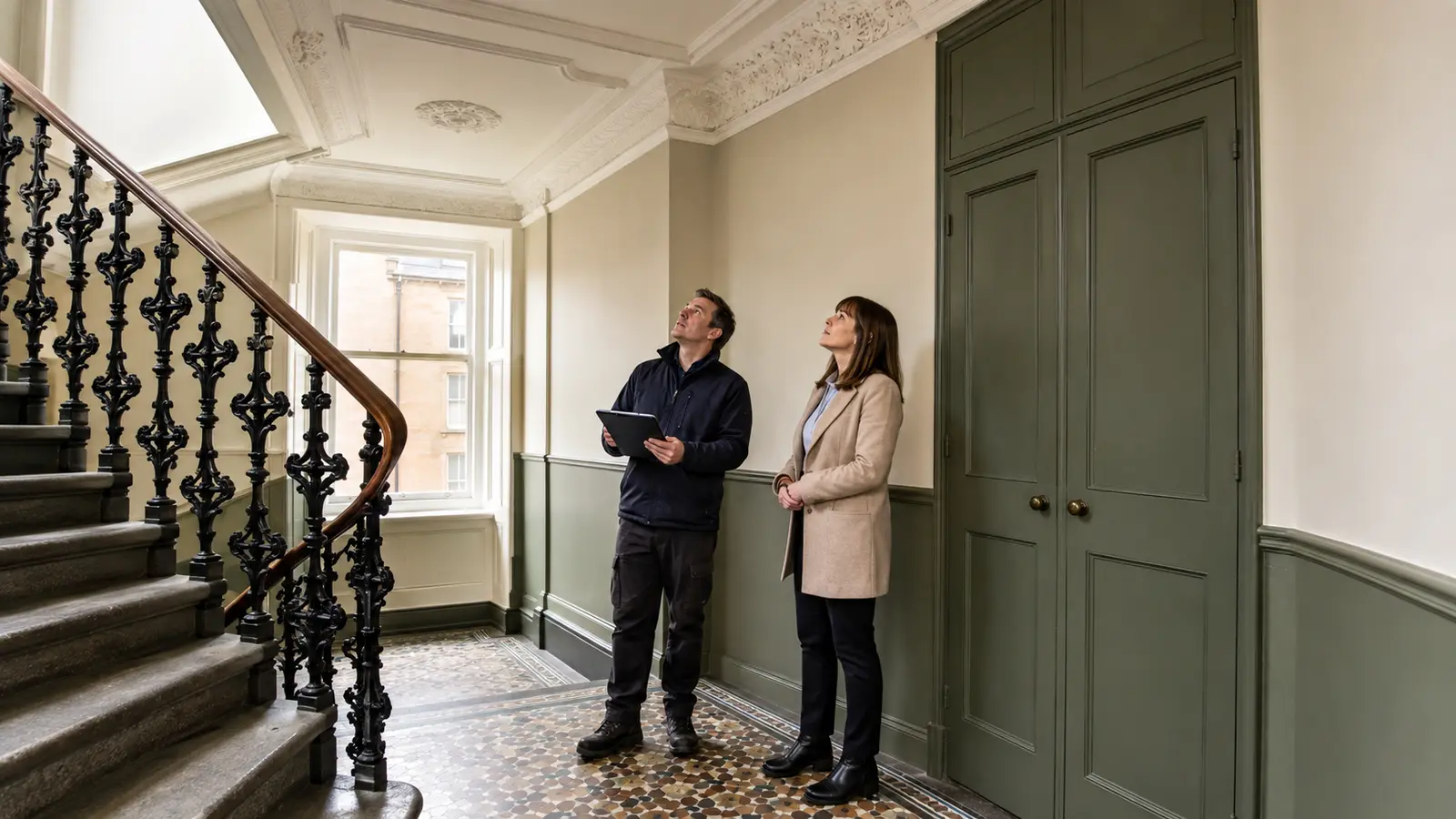
Refurbishment survey: A detailed survey before work opens hidden parts of a building.
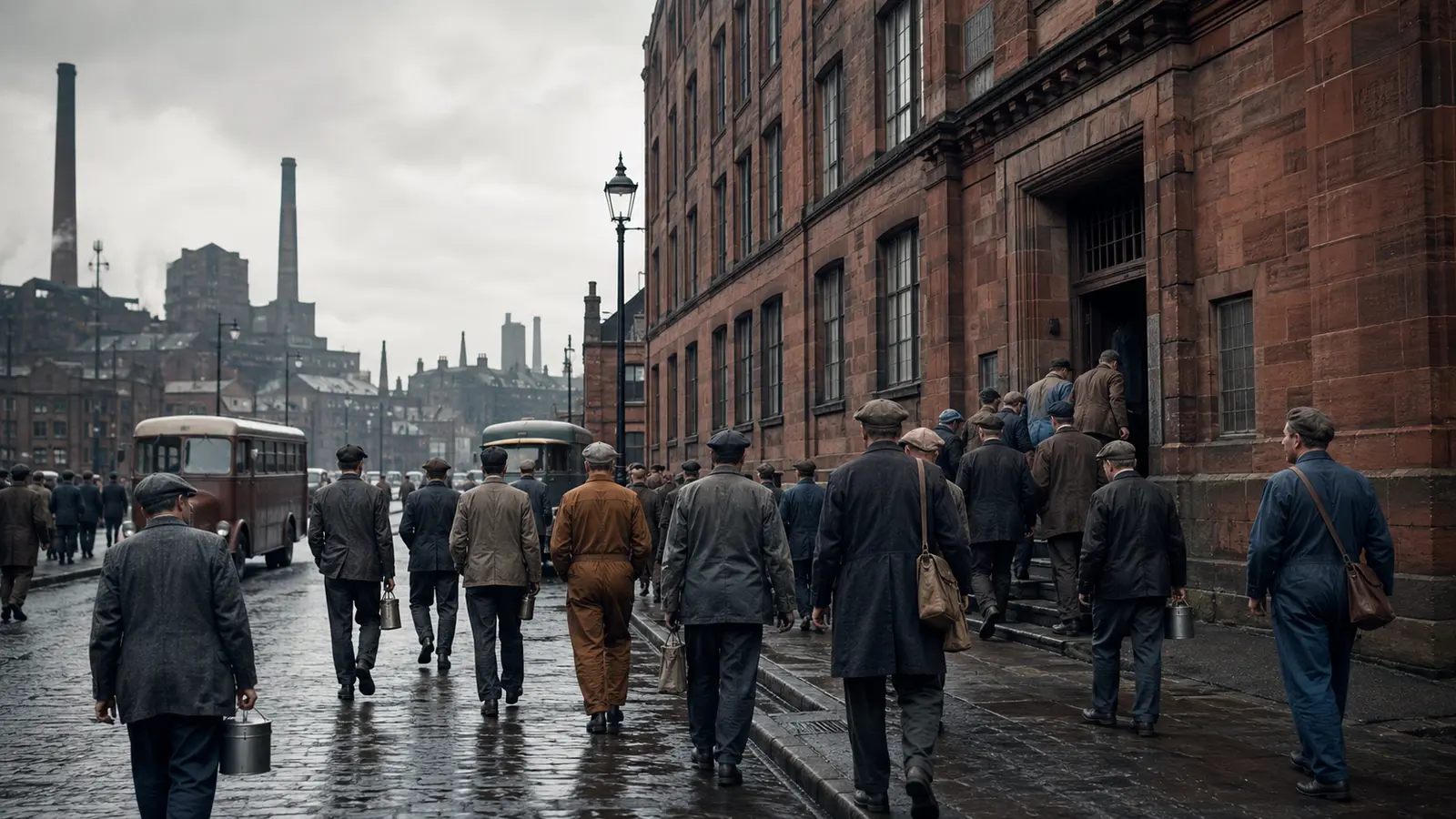
Asbestos protected ships and industrial systems from heat and fire. It also exposed generations of workers when insulation was cut, fitted, repaired and removed without today’s controls.
- Shipbuilding used asbestos where heat and fire protection were needed.
- Laggers, joiners, engineers and nearby workers could all encounter dust.
- Today, old marine and industrial materials need trained check before disturbance.
Stop. Do not touch, drill, break or clean the suspect material.
Keep back. Keep people and pets away. Do not sweep or use a household vacuum.
Get advice. Call a trained professional and explain what you found and what happened.
Asbestos protected ships and industrial systems from heat and fire. It also exposed generations of workers when insulation was cut, fitted, repaired and removed without today’s controls.
Clyde shipyards used asbestos around boilers, pipes, engines, bulkheads and fire-protection systems. Historic exposure still affects families today because asbestos-related diseases can take decades to appear.
Why ships contained asbestos
Ships had hot boilers, steam pipes, engines and enclosed spaces. Asbestos insulation resisted heat and fire. Boards and textiles were also used for partitions, gaskets and equipment protection.
The material was often cut and fitted on site. Work in tight spaces could expose more than the person holding the tool.
- Boiler and pipe lagging
- Engine-room insulation
- Fire-protection boards
- Gaskets, rope and textiles
Exposure was not limited to one trade
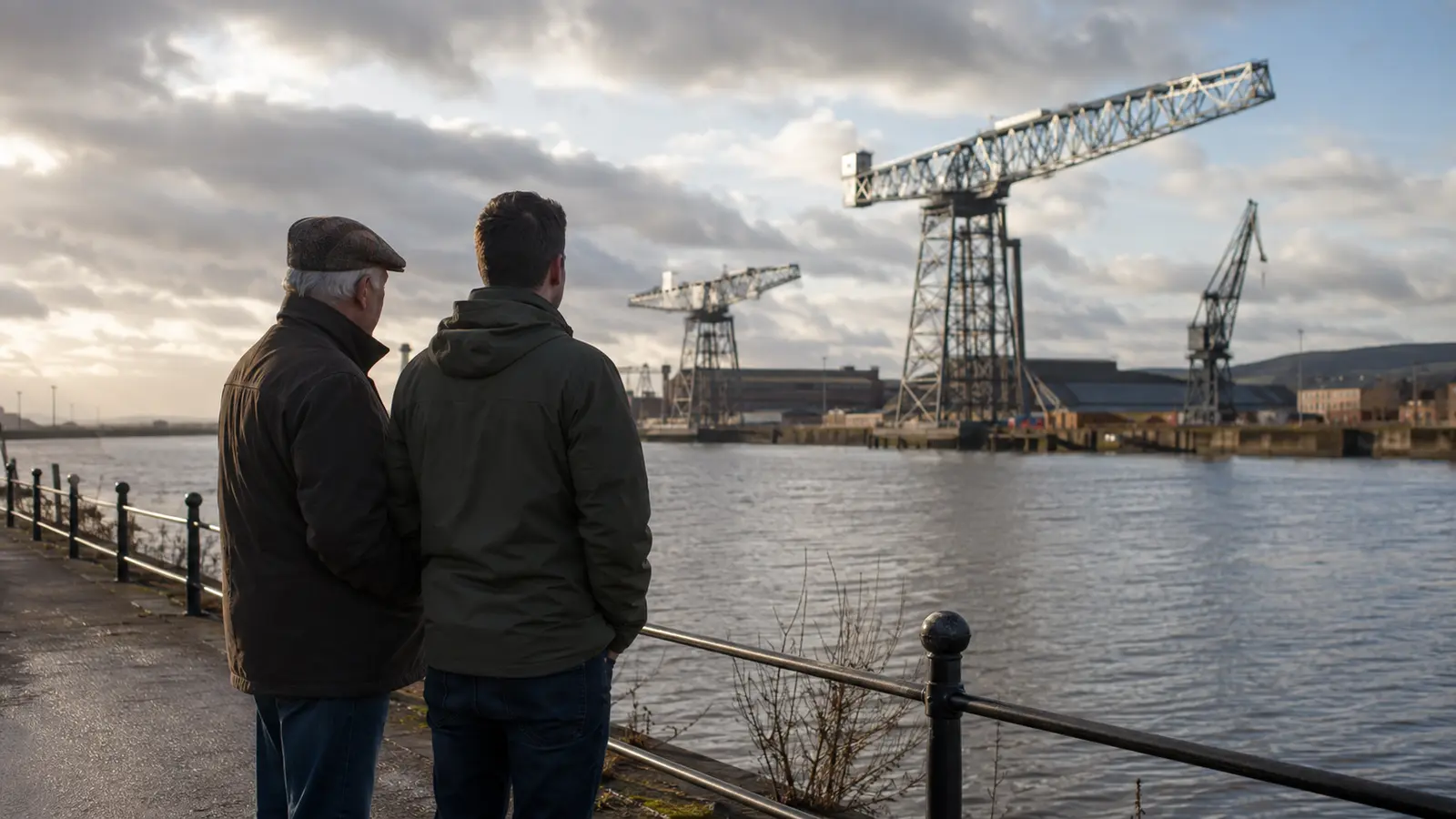
Laggers worked directly with insulation, but joiners, electricians, plumbers, engineers, cleaners and other workers shared the same spaces. Dust could also be carried on work clothing.
Modern readers should not use a job title alone to judge health risk. People with concerns about past exposure should seek medical and specialist support.
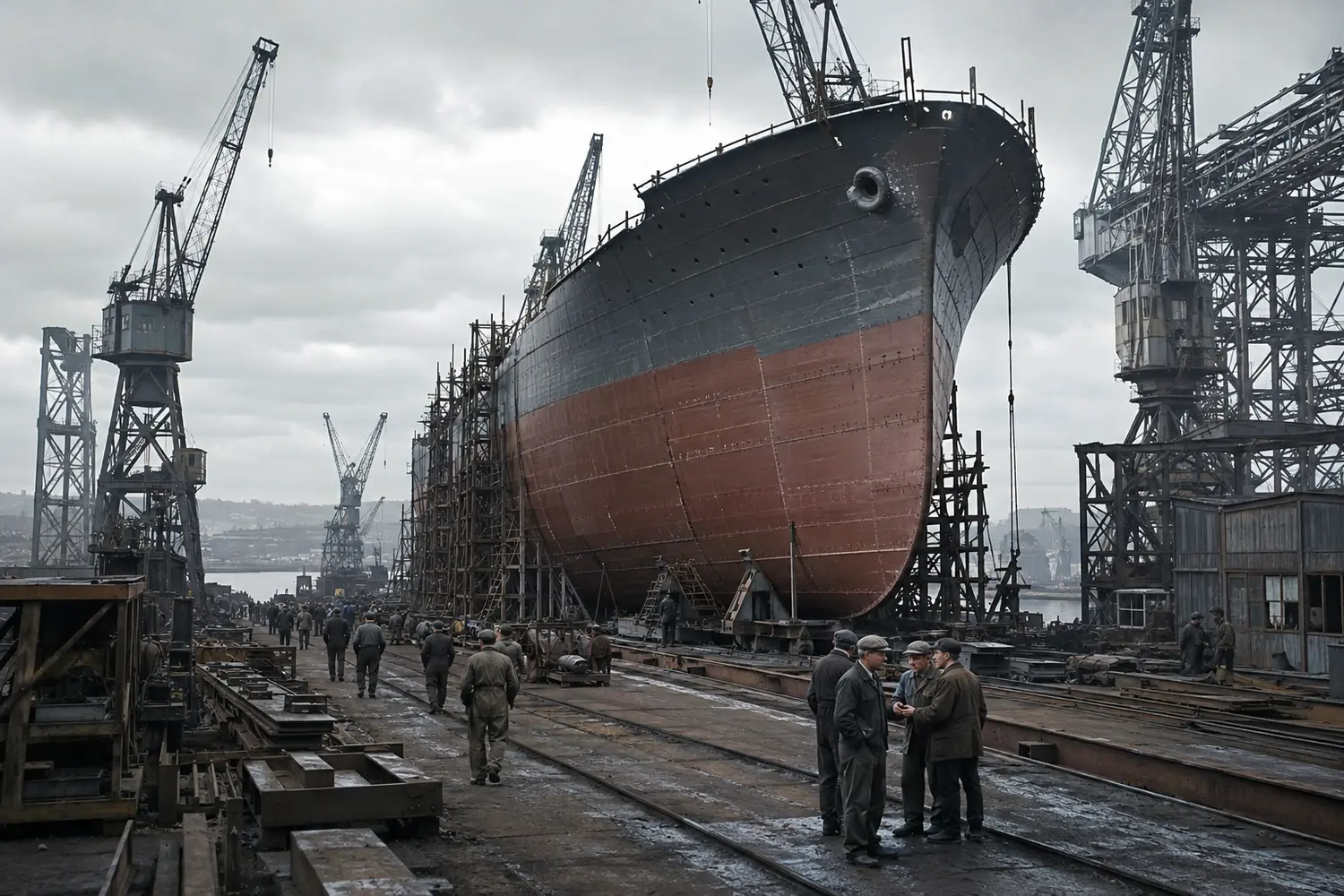
Clydebank’s manufacturing and shipbuilding story overlapped
Clydebank also had asbestos-product manufacture. Local support organisations document sites, working lives and the long campaign for recognition and help.
These community records add human context to official rules. We link to them so readers can explore the original local history.
Where the old may still appear
Old workshops, plant rooms, marine buildings and machinery may keep lagging, boards, gaskets or contaminated debris. Later repairs can hide small remnants.
Before dismantling old systems, use a refurbishment or demolition survey designed for industrial conditions. Ordinary visual checks may not reach enclosed equipment.
Use trusted health and support routes
The NHS explains the symptoms and causes of mesothelioma. Local asbestos charities can also help people affected by occupational exposure and their families.
A building contractor cannot check historic personal exposure. Keep building advice, medical advice and legal advice with the right specialists.
Frequently asked questions
Questions people ask next.
Why was asbestos used on ships?+
It resisted heat and fire and was used around boilers, pipes, engines and partitions.
Were only laggers exposed?+
No. Many trades and nearby workers could encounter dust during shipbuilding and repair.
Can an old ship component still contain asbestos?+
Yes. Treat old insulation, gaskets and fire-protection parts as suspect until checked.
Where can former workers get health advice?+
Use NHS services and specialist asbestos-support organisations for personal guidance.