Exposure: Contact with asbestos fibres, often by breathing them in.
Class-H vacuum: Specialist equipment designed for hazardous fine dust.
Discovering suspect asbestos during paid building work can feel confusing. Focus first on safety, not blame. Stop the job, preserve the evidence and ask for a written incident response.
- Stop the whole task that may disturb the material.
- Keep the area closed and ask for a written incident record.
- Do not restart until testing, cleaning and handover are complete.
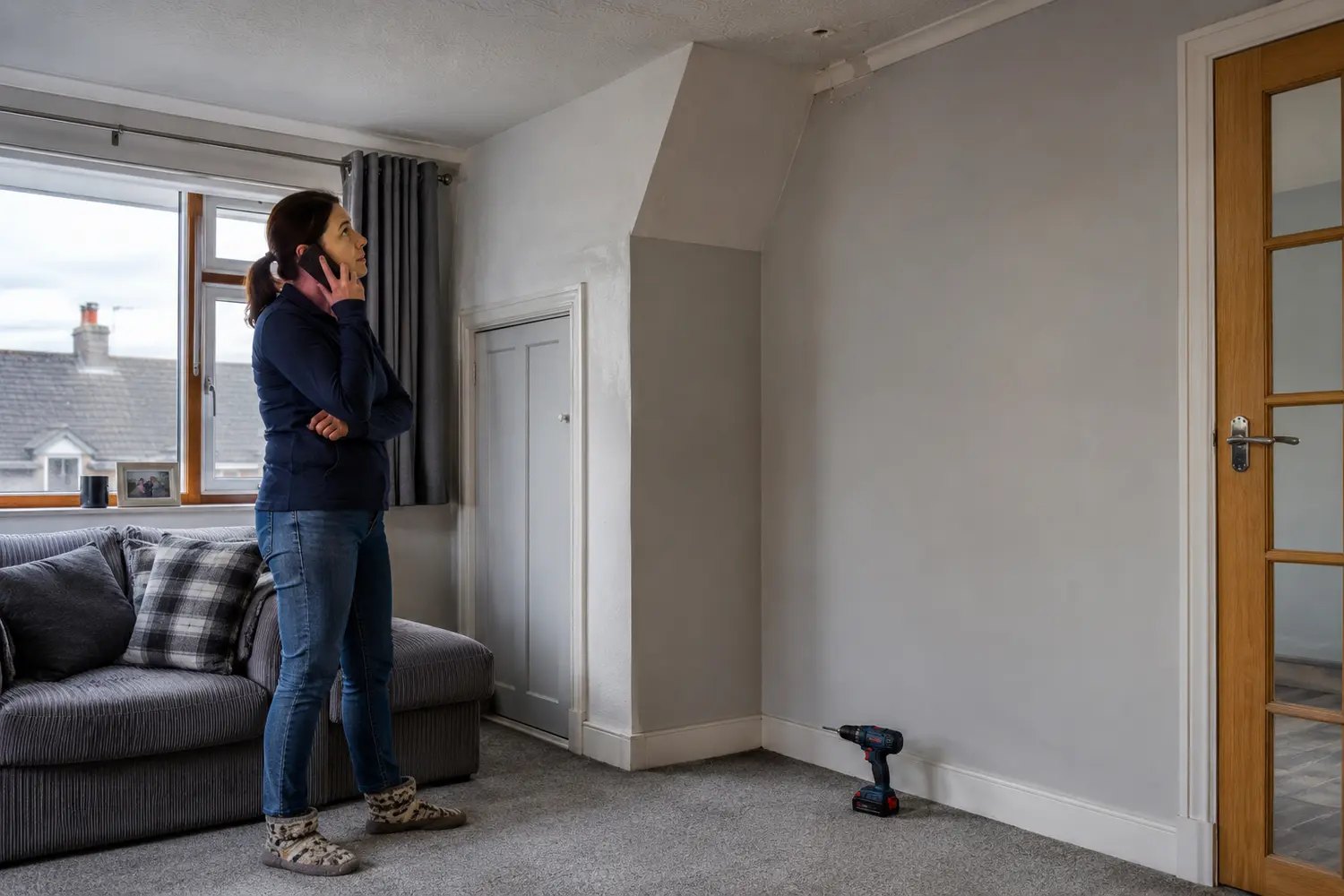
Stop. Do not touch, drill, break or clean the suspect material.
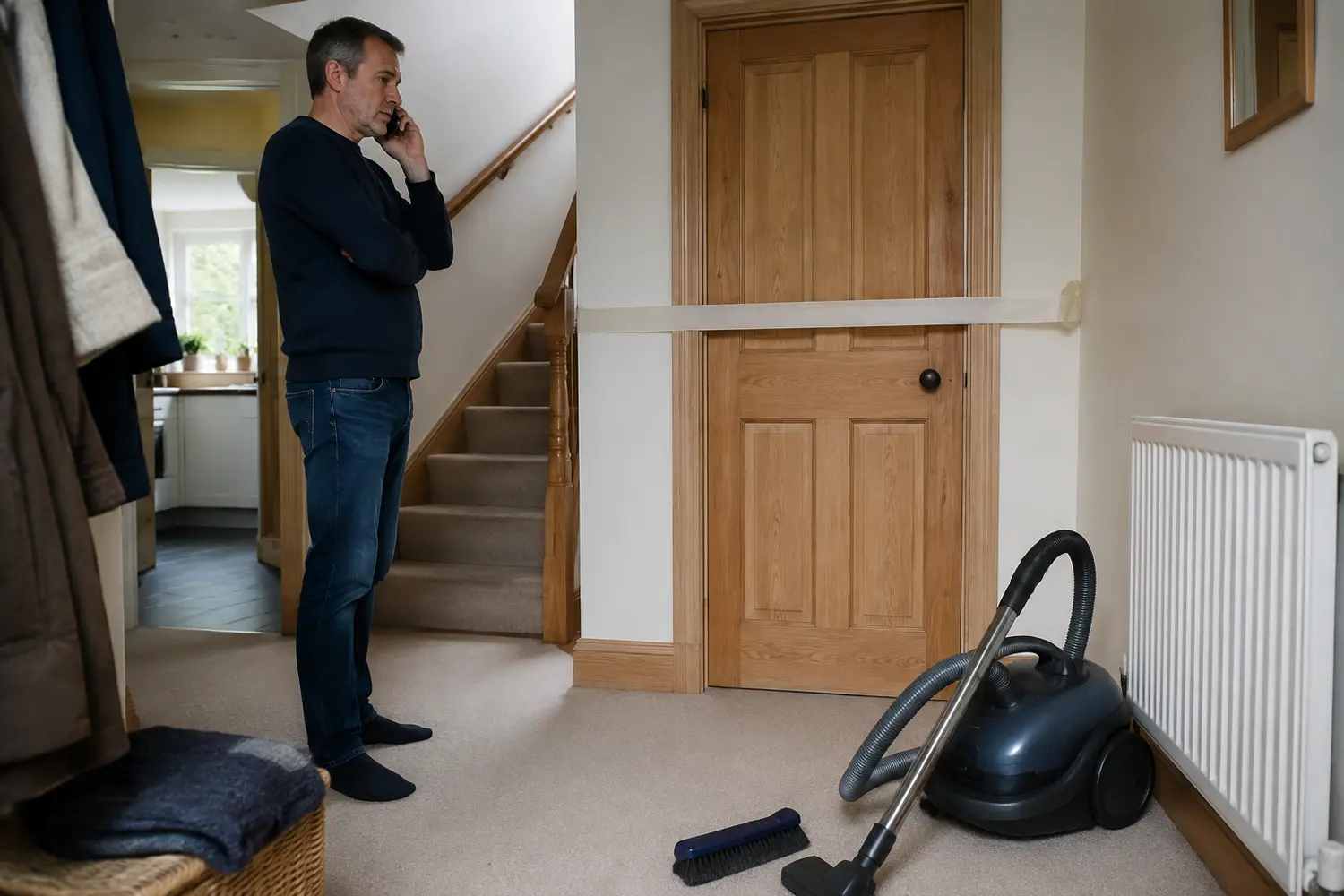
Keep back. Keep people and pets away. Do not sweep or use a household vacuum.
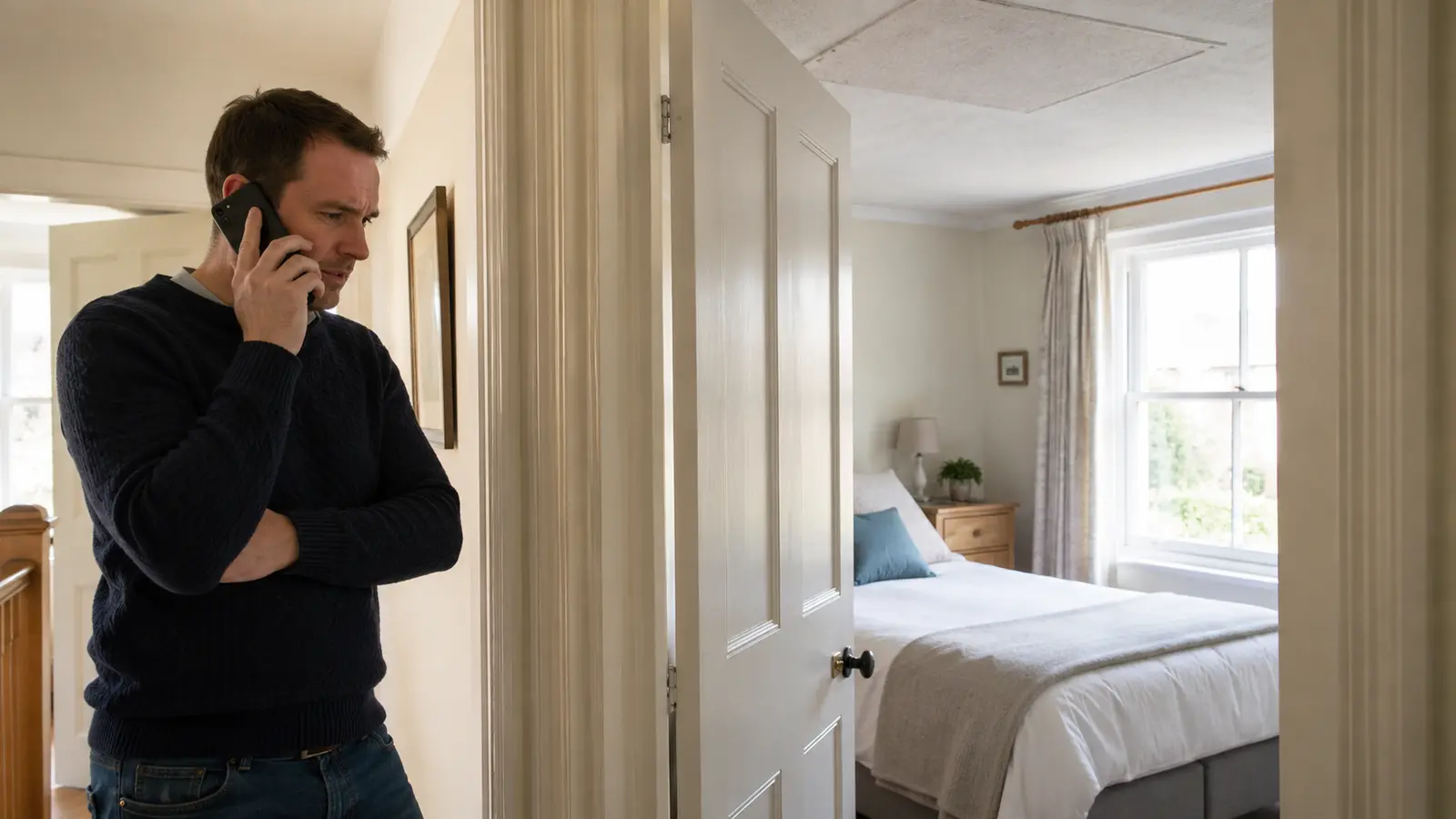
Get advice. Call a trained professional and explain what you found and what happened.
Discovering suspect asbestos during paid building work can feel confusing. Focus first on safety, not blame. Stop the job, preserve the evidence and ask for a written incident response.
The contractor should stop work and secure the area. The material and spread should be checked. Ask for the survey, sample result, incident notes, cleaning plan and handover records before work restarts.
What the immediate response should look like
Tools should stop. People should leave the affected area without spreading debris. The contractor should prevent entry and tell the person in control of the building what happened.
Nobody should continue to finish the cut or tidy the dust with ordinary equipment. HSE guidance says work must stop when unexpected potential asbestos is found.
- Stop work
- Secure the area
- Record who was present
- Get trained asbestos advice
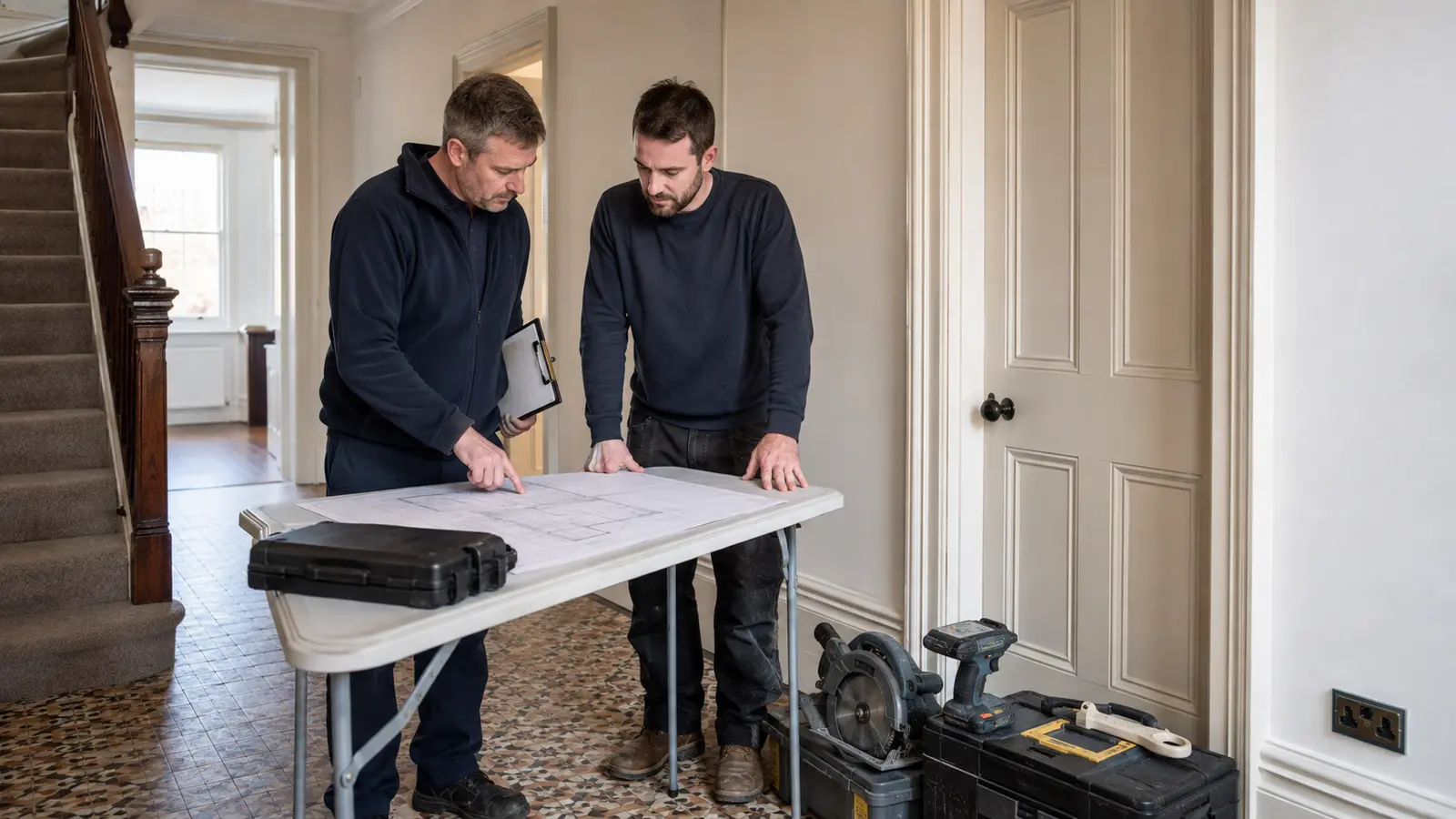
Ask for the survey and work records
Ask what asbestos information was checked before work started. A management survey may not cover hidden areas opened during refurbishment. The survey type and scope matter as much as its date.
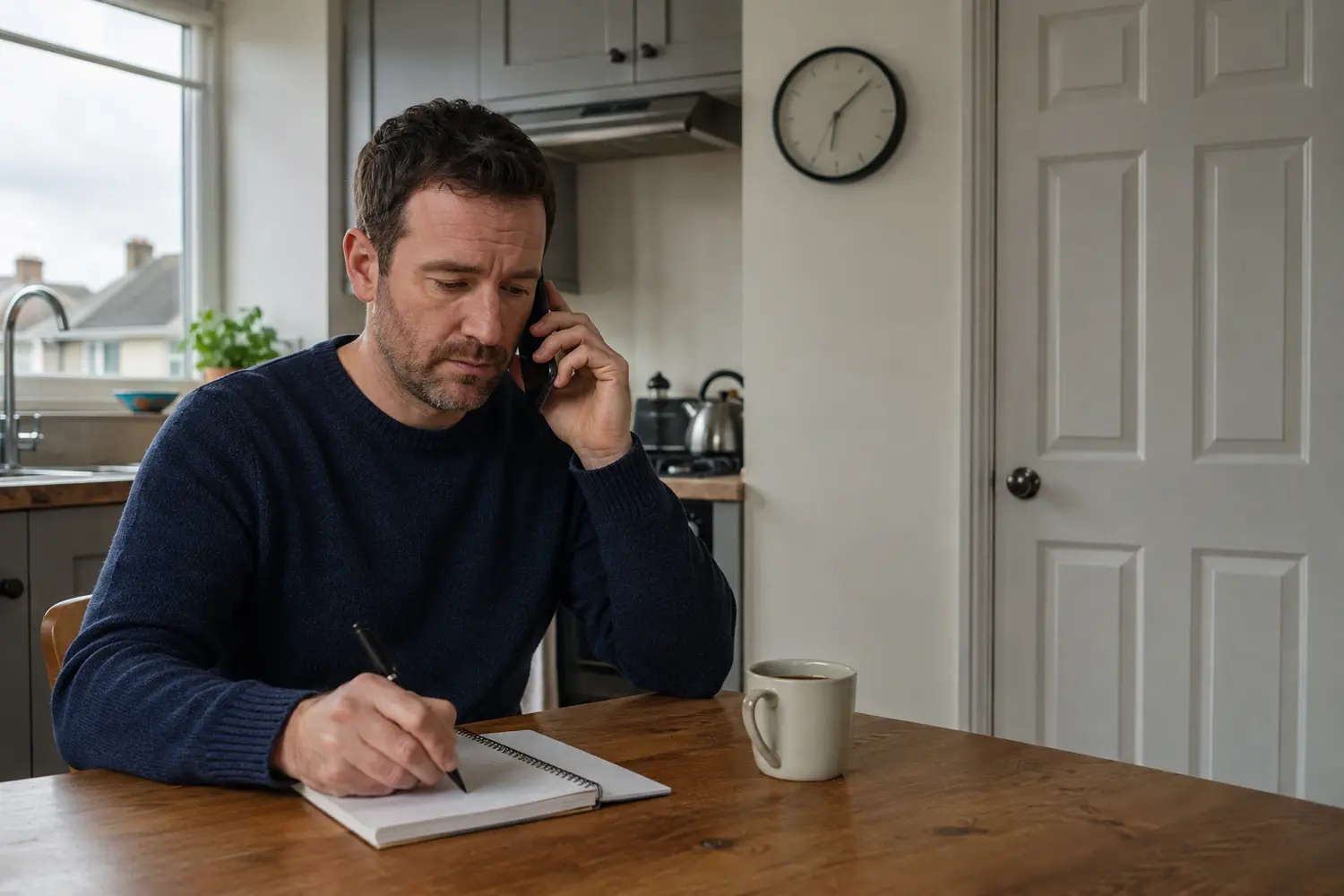
Request the method statement, risk check and incident notes where they apply. Keep emails, photos and times. Clear records help the professionals plan the response and prevent arguments later.
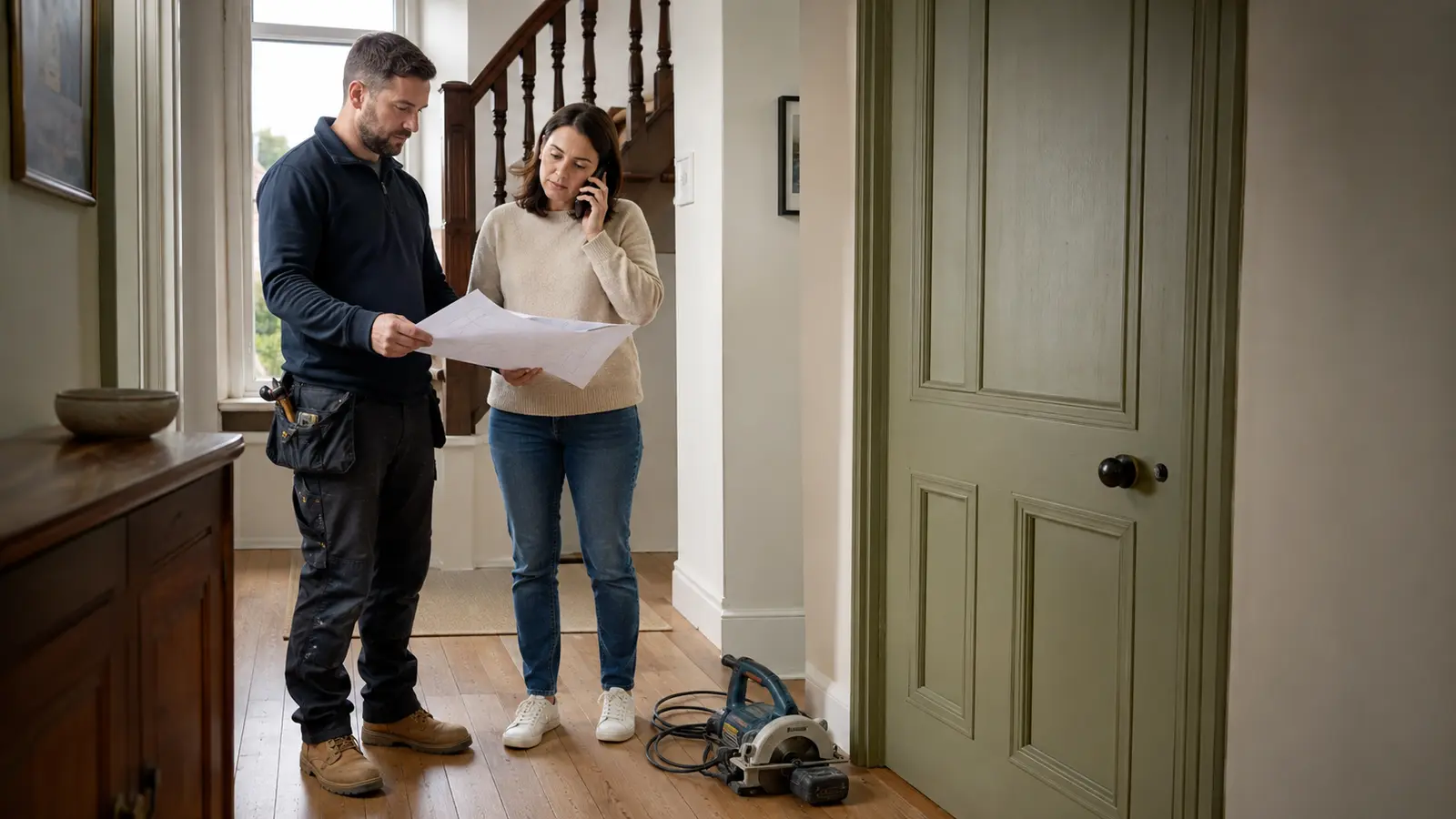
Confirm the material and check possible spread
A trained person should identify the source and decide whether sampling is needed. They should check tools, clothing, routes and neighbouring rooms instead of looking only at the original hole.
The material changes the work category. Higher-risk board, lagging or sprayed coatings may require a licensed contractor. Some lower-risk cement or coating work may follow different legal controls.
Cleaning and handover must be clear
The written plan should state the clean area, method, waste route and checks. For licensed work inside a sealed area, an independent independent tester may need to complete the formal final safety check process.
Do not accept a vague statement that the room was ‘wiped down’. Ask what was cleaned, who checked it and which documents show the area is ready to use.
Plan the restart before the trades return
Extend the refurbishment survey to every remaining part of the project. Give the updated information to all trades. Mark materials that will stay and change the work plan around them.
Agree who pays and who arranges each step in writing. Legal responsibility depends on the contract and facts. Get independent legal or insurance advice if responsibility is disputed.
Frequently asked questions
Questions people ask next.
Is the builder always responsible?+
Responsibility depends on the facts, contract and asbestos information available. Get independent advice if it is disputed.
Should the builder clean the room?+
Only people with the right training, equipment and work plan should carry out asbestos cleaning.
Can the renovation continue in another room?+
Only after a trained person has defined the affected area and confirmed that other work will not spread or disturb asbestos.
Do I need a new survey?+
You may need a refurbishment survey with a wider scope before the project restarts.