Exposure: Contact with asbestos fibres, often by breathing them in.
Class-H vacuum: Specialist equipment designed for hazardous fine dust.
A possible one-off exposure can cause intense worry. Online discussions often give false certainty in both directions. Nobody can calculate your personal health risk from a short description.
- Prevent any further disturbance or exposure.
- Record the date, task, material and time involved.
- Use NHS advice for health concerns and professional advice for the building.
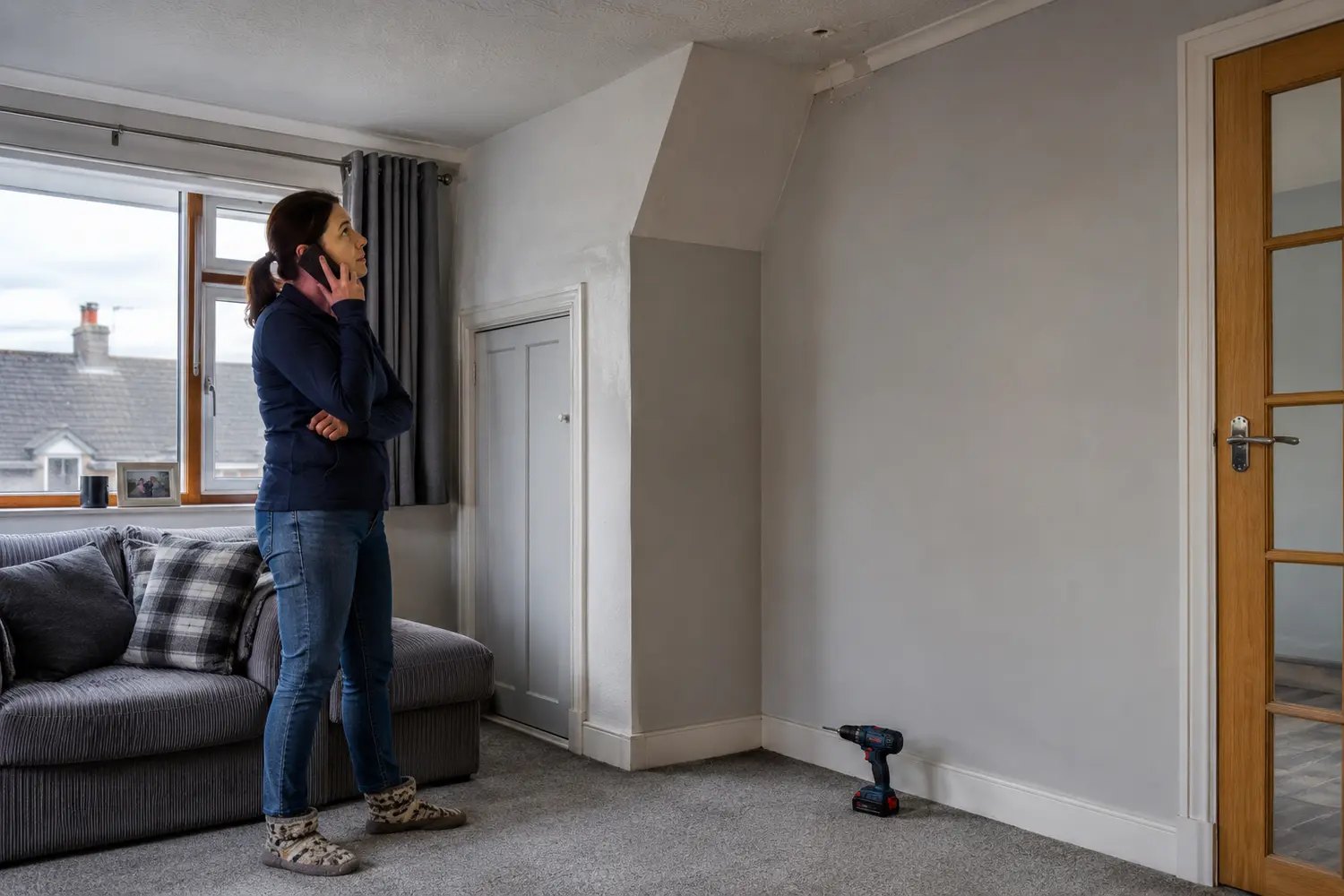
Stop. Do not touch, drill, break or clean the suspect material.
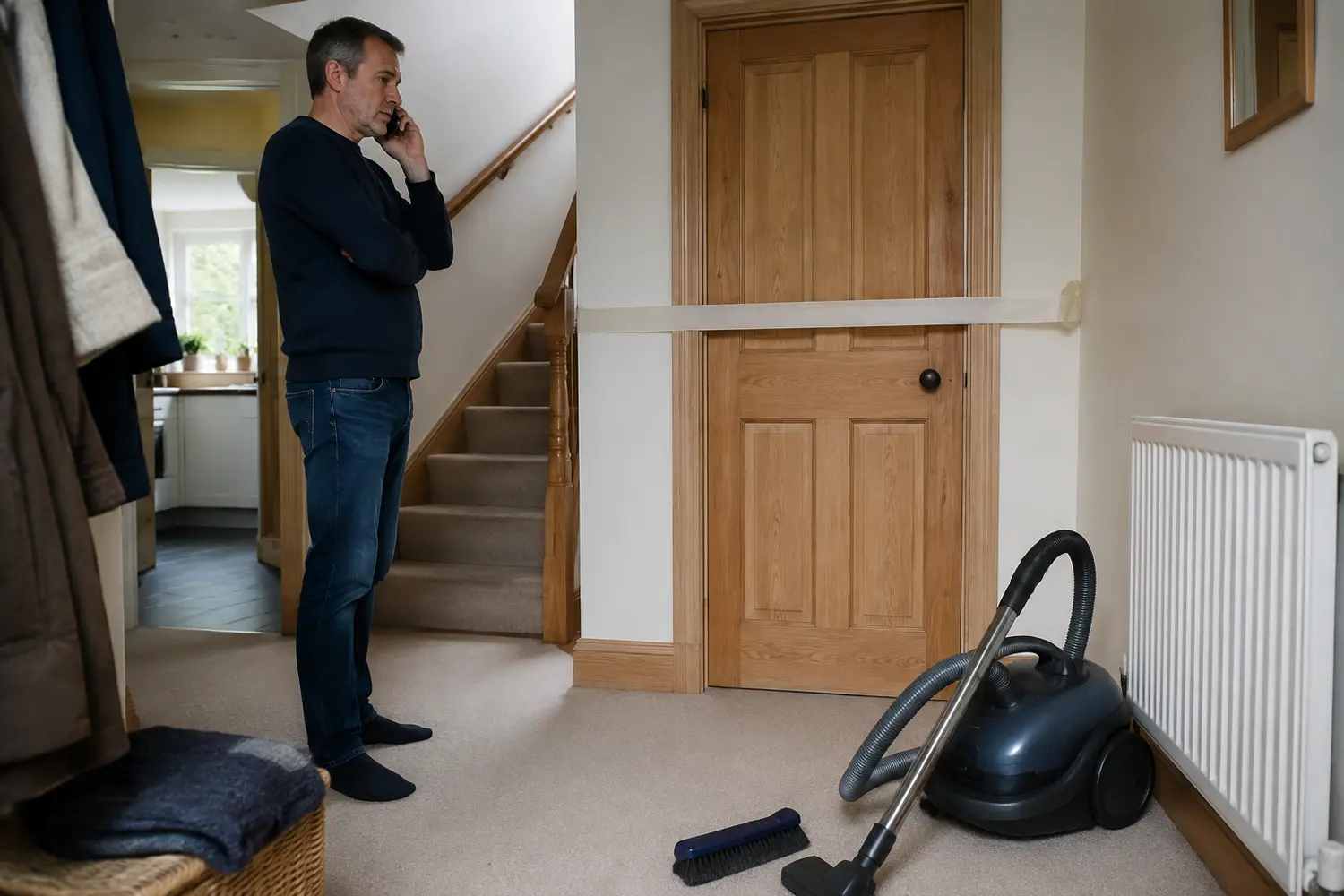
Keep back. Keep people and pets away. Do not sweep or use a household vacuum.
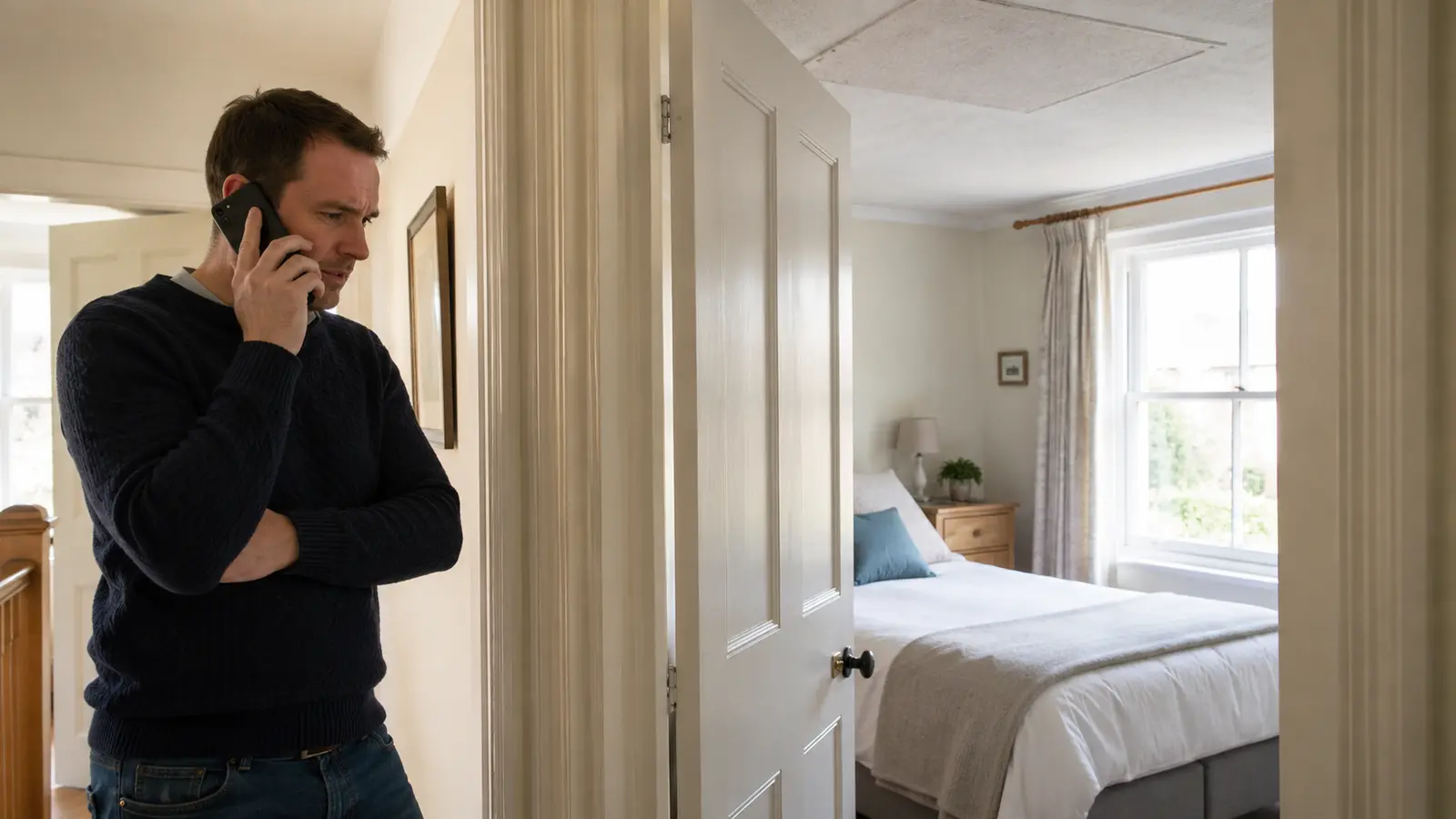
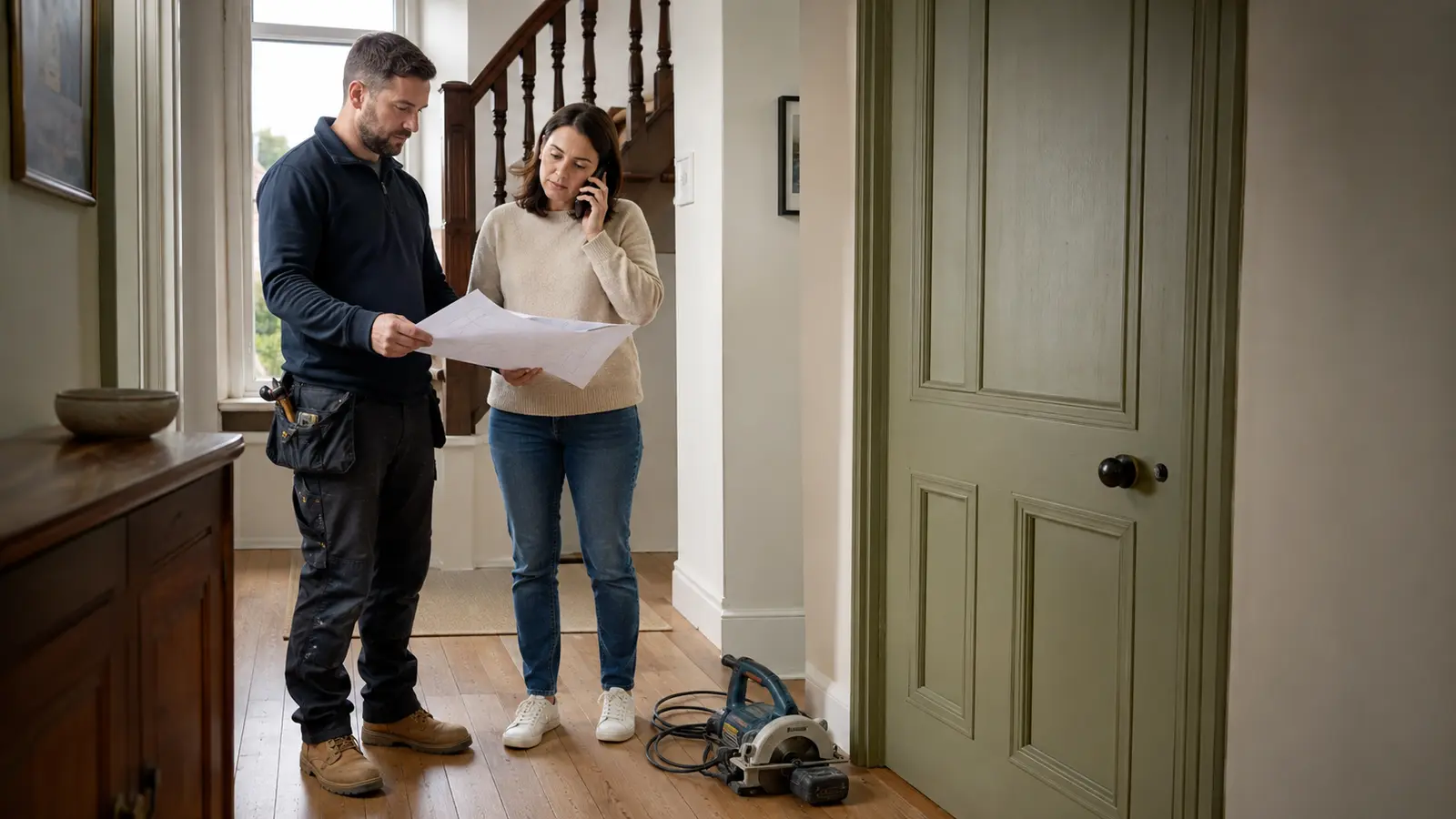
Get advice. Call a trained professional and explain what you found and what happened.
A possible one-off exposure can cause intense worry. Online discussions often give false certainty in both directions. Nobody can calculate your personal health risk from a short description.
Stop any further exposure and make the area safe. Record what happened. Speak to the NHS or your GP if you need personal medical advice. Do not rely on immediate symptoms to judge whether asbestos was present.
Why a website cannot calculate your personal risk
Risk depends on whether asbestos was present, the material type, fibre release, concentration, time and repeated exposure. A short message cannot confirm those facts. Statements such as ‘one exposure is safe’ or ‘one exposure will cause disease’ are not responsible advice.
HSE says asbestos fibres can cause serious disease when breathed in. It also explains that these diseases do not affect people immediately and often take a long time to develop.
- Was asbestos confirmed?
- What material was involved?
- Was it drilled, cut or broken?
- Was this repeated work?
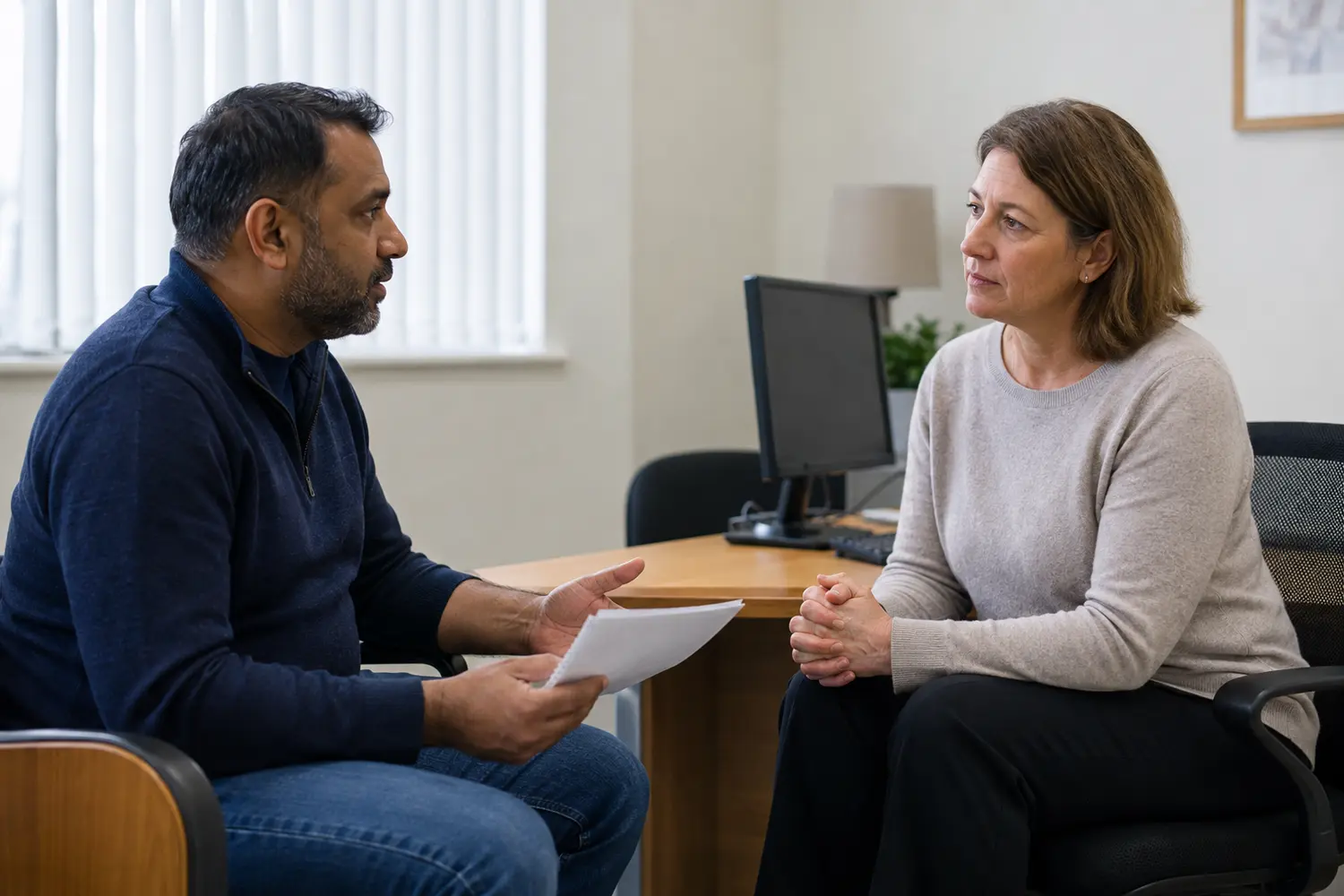
Write down what happened while it is fresh
Record the date, address, room, task, tools, time spent and people present. Save photos taken from a safe place. Note any lab result, survey or product information.
For workplace events, report the incident through the employer or dutyholder. Some accidental releases linked to work may need formal reporting. The responsible person should check that duty.
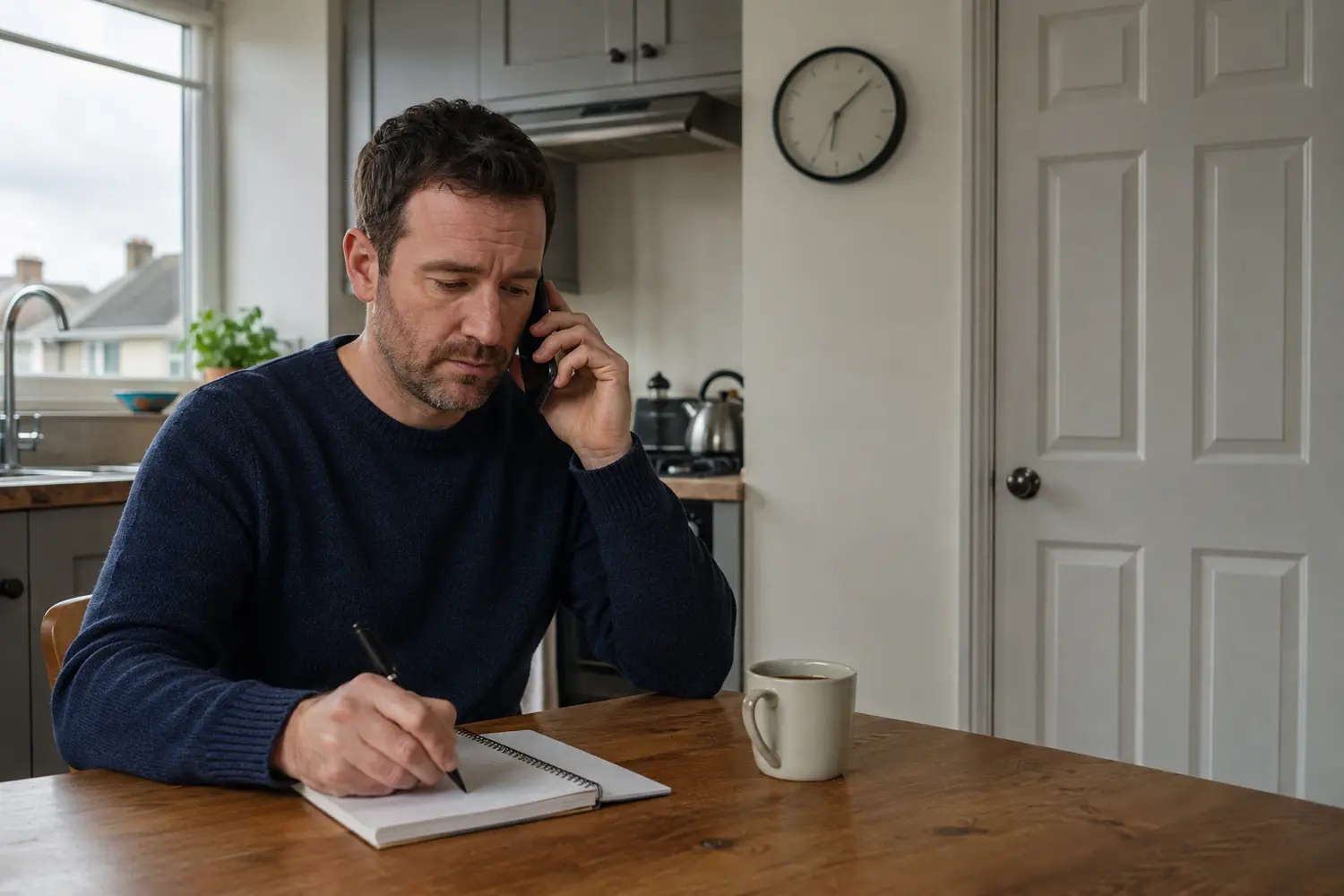
Where to get medical advice
A removal company deals with the building, not your health record. Speak to NHS 111 or your GP if you are worried. They can decide what information should be noted and whether any medical action is suitable.
Do not expect an immediate test to prove whether one event will cause a future disease. Seek normal medical help for symptoms. Tell the clinician about past exposure when it is relevant.
Make sure the same event cannot happen again
Identify the material and affected area. Complete any needed specialist clean. Stop similar work until a suitable survey covers every place that will be drilled, opened or removed.
Share the results with workers and people who control the building. Update the asbestos register where one is required. A good response turns a frightening event into a safer plan.
Use reliable sources and avoid alarming claims
Use HSE for workplace and building safety. Use the NHS for health information. Specialist charities can offer support, but check when pages were last reviewed and whether medical statements cite evidence.
Avoid forums that identify a material from one photo or promise a health outcome. The correct next step is evidence: a sample, survey, incident check or medical discussion.
Frequently asked questions
Questions people ask next.
Will I get symptoms straight away?+
Asbestos-related diseases do not normally cause immediate symptoms. Use NHS advice for any health concern.
Is there a blood test after one exposure?+
There is no simple immediate test that predicts future asbestos disease from one event. Ask your GP for personal advice.
Should I tell my employer?+
Yes, if the event happened during work. The employer or dutyholder should check the incident and any reporting duty.
What should happen to the room?+
Keep it unused until the material, spread and cleaning needs have been checked.